
Welcome
Welcome to this weeks Wellbeing Wednesday!
Read on to find out how you can access free fitness workouts, the importance of checking in with your colleagues, how you can support your team to prevent MSK issues and resources, tips and tools to support your Health and Wellbeing
If you have any ideas on themes or topics for future editions, or if you’d like to share a good news story, please do get in touch with us via cw.traininghub@nhs.net
We hope you find the tips, tools and resources useful.
How are you? How are you, really?
January can be a difficult time of the year and the third Monday in January is sometimes referred to as ‘Blue Monday’.
On Monday Samaritans encouraged everyone to take part in ‘Brew Monday’, reminding us to reach out to our family, friends, and colleagues to start a conversation over a brew.
‘We can always make time for a cuppa and a catch-up. It doesn’t matter if it’s a Monday morning or Saturday night, or if you’re drinking green tea, black coffee or orange juice. If you’re sharing a cuppa and listening, you’re doing it right.’ Samaritans.
Our ask of you – have you checked in with your colleagues and teams lately? Have you asked “How are you?” and allowed them an opportunity to check in?
Free Physical and Mental Wellbeing sessions
We know that January is a time that many colleagues consider how they can be more physically active.
#DoingOurBit is an online platform available to all NHS colleagues which offers free fitness workouts and mental wellbeing resources.
It has just been relaunched with lots more content provided by professional personal trainers and wellbeing experts who want to ‘give back’ to the NHS.
Musculoskeletal health in the workplace
Musculoskeletal problems (MSK) disorders can include back pain, neck or arm strains and diseases of the joints. It is one of the most common reasons for sickness absence in the NHS.
According to the Coventry and Warwickshire Training Hub – General Practice Health and Wellbeing survey results, approx. 40% of staff in General Practice, both non-clinical and clinical roles stated that in the last 12 months they had experienced MSK as a result of work activities.
It is therefore vital that employers focus on prevention and early intervention to effectively managing MSK disorders.
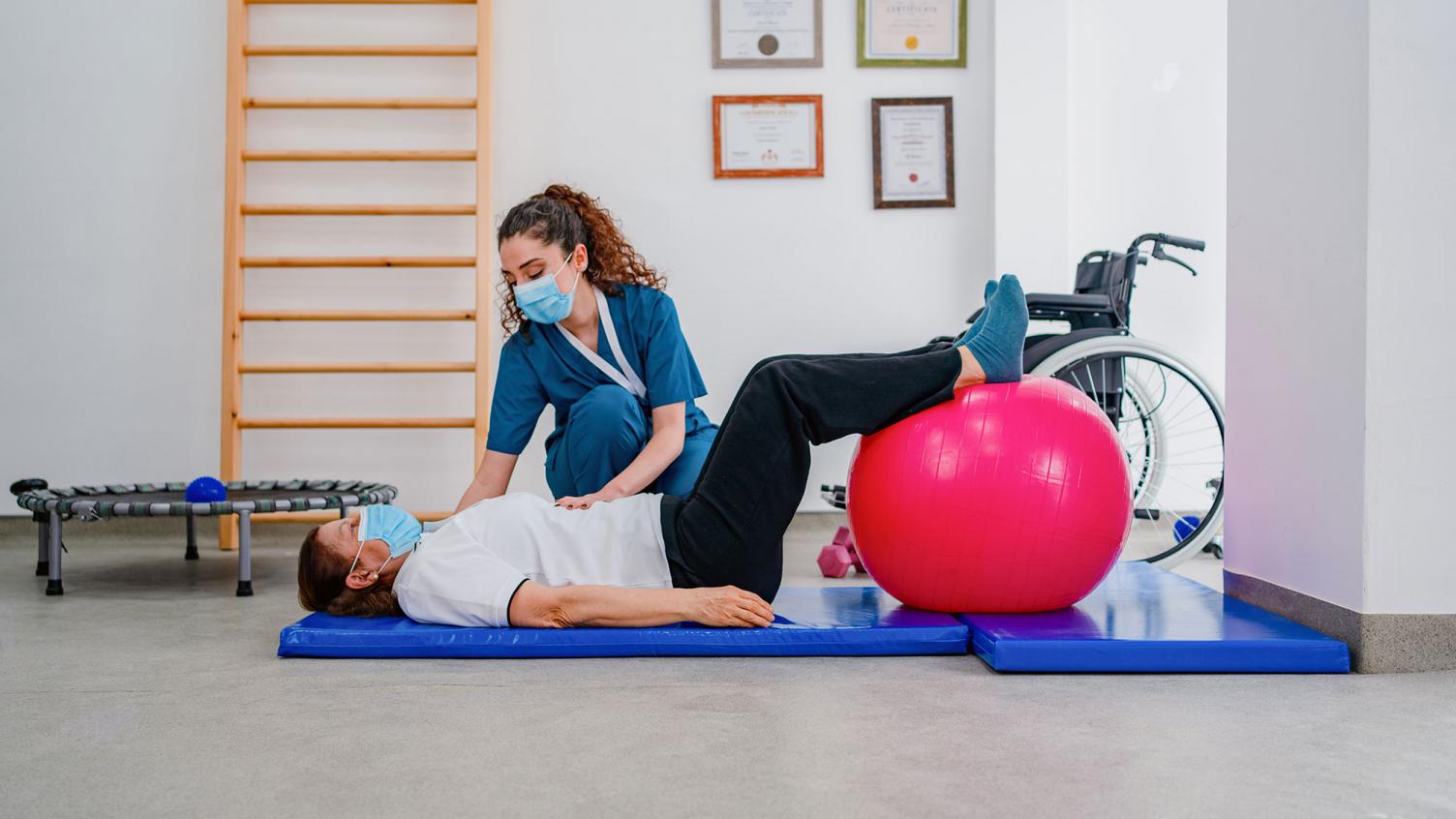
Ways to prevent work-related injuries include:
- Raising awareness of the importance of regular movement and exercise to aid prevention. Put dedicated time into calendars to remind staff to move away from desks and stretch regularly. This is particularly important for staff working in office settings, and for those required to stay at their desk with limited opportunities to move.
- Providing work-station assessments for employees, including those working from home, and ensuring these are regularly reassessed upon changing circumstances. Read the enabling and supporting staff to work from home page for more information.
- Spotting trends and MSK hot-spots in the workplace and pinpointing the root causes of the trends you identify
For more information on how to focus on prevention of work-related incidents that may lead to MSK injuries and therefore long-term absences, click here
Staff Respect materials
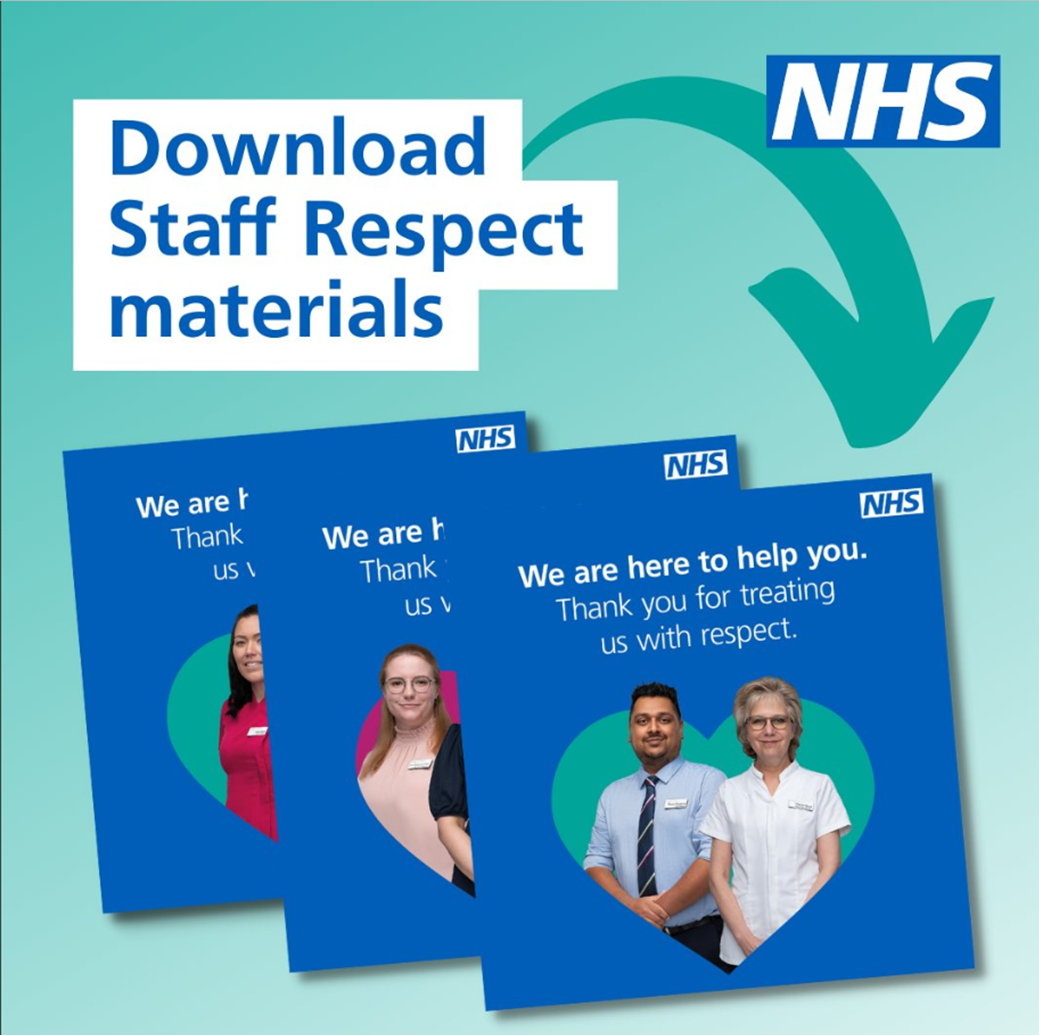
Download public-facing materials, including posters, which have been produced to support Primary Care teams to reduce abuse and violence against staff – featuring real NHS staff.
Health and Wellbeing support for you
Confidential support when you need it the most
Whatever mental health, physical, financial or personal issue you are facing, access expert help and support for life’s ups and downs, 24/7, 365 days a year.
Below, you’ll find a wide range of care and support specialists waiting to hear from you. You can use this service as many or as few times as you like, there’s no limit on the support you can receive.