

Welcome from Lizi Mattacola, CWTH Occupational Therapist Ambassador
Hello, I’m Lizi Mattacola, the Occupational Therapy Ambassador for Coventry and Warwickshire.
I graduated as an Occupational Therapist in 2003 and have 19 years working in a variety of different clinical settings. I have been working within primary care since August 2022 and gained accreditation as a First Contact Practitioner in 2025. My role as an Ambassador is to provide support for Occupational Therapists working across the region. I organise regular peer support meetings, arrange CPD, and help to facilitate and promote OT initiatives in this evolving area of practice. I am able to provide FCP supervision to other AHP’s completing the FCP roadmap and I am also a Mentor for health professionals within primary care.
I also provide support and advice to PCNs and practices with recruitment, interviews, and induction of new Occupational Therapy staff. I advise on how the role of an Occupational Therapist can work effectively within different models of practice to the benefit of specific patient groups and practice settings. Occupational Therapists are highly proactive and adaptive, so there are many ways they can add value to your practice and workforce.
Please contact me if you would like any information or advice on all things Occupational Therapy related.

The Occupational Therapy Role
What is an Occupational Therapist?
Occupational Therapists enable people living with a range of health problems and chronic conditions to overcome barriers which can prevent them from participating in everyday life. They support people to optimise their quality of life and improve their well being.
An Occupational Therapist is dual trained to understand how both physical health and mental health affect a persons’ ability to carry out activities or “occupations”. They complete assessments to identify the needs of the person and identify the difficulties that are impacting their ability to carry out these tasks. They will then develop an intervention plan with the person to enable them to participate in the activities which will improve their everyday life.
What does occupational therapy intervention consist of?
An Occupational Therapy assessment will identify physical and psychosocial needs to understand the impact on health and home management, education, work, leisure, and social participation.
A treatment plan will be personalised to meet the specific needs of the individual and the difficulties they are facing. Examples of intervention are:
- Recommending new techniques to carry out an activity
- Suggesting specific strategies to compensate for the loss of an ability
- Providing equipment and recommending aids to increase safety and independence
- Working with a person to develop a self management plan for their health condition
- Identifying the most suitable service to support the person’s needs, and then helping the person to access this service
The Occupational Therapy Role
How can Occupational Therapy benefit Primary Care?
Occupational Therapists provide diverse expertise to Primary Care teams helping patients get access to the right care at the right time.
Their interventions are proactive and preventative to keep patients functioning and active. They can help to target the biggest causes of decreased life expectancy. They are clinically trained to work holistically across the life span for patients with physical, mental and social needs.
Occupational Therapy interventions suited to Primary Care
The following areas are examples of work that has been proven to be effective in different primary care services both locally and nationally:
- Mental health clinics – assessment for initial presentation of mental health conditions, support with self management strategies to continue to function with roles and ADL’s
- Frailty intervention – supporting older adults with complex needs as well targeting the prevention of frailty
- Management of chronic pain and fatigue– enabling patients to develop self management strategies and improve quality of life
- Dementia and cognitive impairment – cognitive screening for initial and on-going presentations of dementia, supporting the person and loved ones on how to live well with dementia, advising on management of risk
- Vocational clinics – advice and support to remain in work, complete Fit notes and the AHP Health and Work Report
How occupational therapists can work within your practice:
- Lead on health inequalities projects for the PCN through the use of population health management strategies
- Lead MDT pathways within the PCN – Read more here
- Reduce employment sickness rates through the use of Fit notes and completion of the AHP Return to Work Report
- Complete Comprehensive Geriatric Assessments for frailty
- Management of cognitive risk – screening for dementia v’s acute confusional states, risk stratification and referral into appropriate pathways
- Enable patients to access the right support at the right time by identifying appropriate services following assessment
- Identification and escalation of medical red flags
- Support with QOF targets, for example dementia reviews, identification of cardiovascular risk factors
- Triage – allocate patients to appropriate services to support access at the first point of contact
- Review – pinpoint and resolve underlying issues that result in frequent visits to the GP e.g. non-medical strategies to manage chronic pain
- Conduct home assessments to identify risks and get a holistic view of how a patient is managing their everyday life
- Teach self-management strategies for health conditions which cause fatigue, anxiety, memory loss
- Provide short term rehabilitation to restore abilities to undertake everyday occupations. The patient may also be referred onto local services for this
- Provide advice and access to equipment and adaptations for the home
- Advise carers on how to manage their caring responsibilities, and to also look after their own health
How patients benefit from occupational therapy
There are many ways that patients in primary care can benefit from working with an occupational therapist. Some of these include:
- improved confidence and ability to manage their health condition(s) and daily life
- an increased number of occupations people are able to engage in
- support to remain safe and live independently at home
- early interventions which can prevent situations becoming a crisis
- an increased awareness of services and support available
- returning to work or remaining in employment
General Practice Mentoring Scheme
Mentoring is the opportunity to have comfortable guided conversations with someone who understands your role in General Practice and can share ideas, knowledge and experiences. A Mentor can support with a range of areas, such as: appraisals, career development, complaints, leadership, partnership, parental leave, career break/return to work and retirement.
For more information on how to register for this scheme, please visit our Mentoring page.
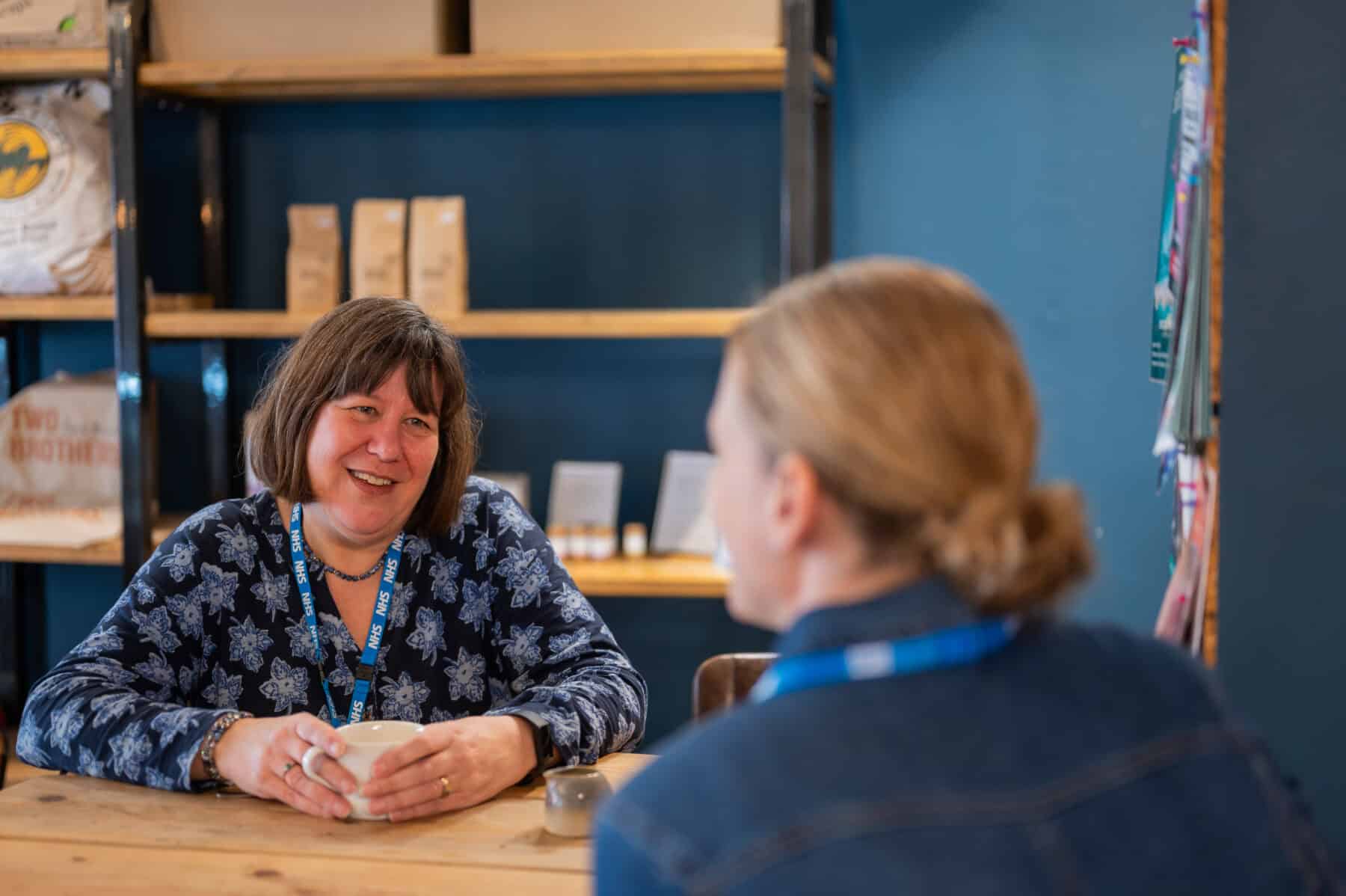
Your Health and Wellbeing
We understand how busy and challenging working in healthcare can be. That’s why recharging your batteries is so important.
The Training Hub offers a wide variety of resources and programmes to support your wellbeing.
- Work Well Programme (Shapes Toolkit)
- Employee Assistance Programme (Vivup)
- Wellbeing Sessions with MIND
- Health and Wellbeing Champions
- And more!
For more information and to view all our resources, please visit our webpage.

Employing an Occupational Therapist
In order to employ an Occupational Therapist, the candidate should meet the following requirements:
- BSc (Hons) Occupational Therapy
- HCPC Registration
Please see the attached example Job Description for more information.
Supervision
Occupational Therapists need to have access to clinical supervision in order to discuss clinical issues within the PCN. However, all primary care Occupational Therapists are likely to come with at least 3-5 years experience so are well able to work autonomously.
Support
There is a monthly peer support group that is facilitated by the Occupational Therapy Ambassador. There is also informal peer support available within the region. All Occupational Therapists have access to 1:1 support and advice from the Ambassador, but this is not formal supervision.
Induction Checklist
Effective induction cannot be underestimated and is an essential part of welcoming new employees to the PCN. The OT will need to take an active part in the induction making sure it meets their needs. At the end of a successful induction, the OT should:
- Have met their key colleagues
- Be able to find their way around the practice and have information that allows them to understand the context of their working environment
- Have a clear understanding of the requirements and expectations of the role. If this is not known, there should be a plan of how the role will be developed and evaluated.
- Identify any training and development needs to carry out their role effectively
- Know what is expected of them
Primary Care in Practice
We understand that starting out in independent practice can be daunting, and there may be other non-clinical skills that you wish to explore and develop to enhance your experience and confidence.
We want to help you feel prepared and confident while learning alongside your new colleagues and peers. That’s why we’re excited to offer a free learning program open to the wider Primary Care Workforce, organised by the Coventry and Warwickshire Training Hub and hosted by local GPs. These sessions will be held as a combination of virtual sessions (through Zoom) and face-to-face sessions.
Topics include:
- What support is available to those working within Primary Care?
- What is Primary Care?
- Leadership structure within Primary Care
- The different roles and responsibilities within Primary Care
For more information, please register your interest here or email any questions to crgpa.education.cwth@nhs.net
Continuing Professional Development (CPD) Funding
Government funding has been made available to support Allied Health Professionals (AHPs), Nurses, and Midwives with Continuing Professional Development (CPD) across the UK. The funding is there to help you build upon existing skills that are vital to the services and communities we support.

How to access CPD funding
For details on how to access your CPD funding, contact us at cw.traininghub@nhs.net or complete the form below.
Learning Opportunities and Peer Support
Royal College of Occupational Therapists (RCOT)
To help support your continuing professional development, the RCOT has published ‘The Career Development Framework: guiding principles for occupational therapy’. This practical guide is freely available to all to help you wherever you are in your career.
RCOT members can:
- Access additional learning resources, such as accredited short courses and toolkit templates.
- Connect with other occupational therapists by joining RCOT’s communities platform here: RCOT Communities | RCOT. You can connect with other OT’s and join a variety of networks for support and resources.
HEE Midlands AHP Network
Stay up to date with the latest AHP news, opportunities and good practice across the region by registering with the HEE Midlands AHP Network.
AHP Virtual Hub
Join the AHP Virtual Hub on FutureNHS – a collaborate working space and network where you can connect with peers to share resources and ideas.
The hub also hosts useful resources and information to help you celebrate AHPs’ Day (annually on 14 October) and share your local plans to help raise the profile of AHPs.
How to join: Go to AHP Virtual Hub and log in to your FutureNHS account. If you don’t already have an account, email seniorahpmanager@future.nhs.uk to request access.
Leadership development
Midlands Leadership and Lifelong Learning Academy
The academy offers a series of leadership programmes to support you in developing your skills, attitudes and behaviours to achieve the highest standards in health and care.